
Network Architecture
Choosing between authoritative servers, peer-to-peer, and hybrid models early saves weeks of rework later.
FoundationsBetagame offers structured group programs for developers working on multiplayer titles — from early architecture decisions to live-service scaling. Sessions are collaborative, focused, and grounded in real project work.
Talk to us
Each program area addresses a specific layer of multiplayer development — from network code to player retention systems. Groups meet weekly, share progress, and solve problems as a cohort.
Choosing between authoritative servers, peer-to-peer, and hybrid models early saves weeks of rework later.
FoundationsGroup sessions covering delta compression, rollback netcode, and lag compensation — the techniques studios use on titles like Grand Theft Auto VI to keep hundreds of players in sync.
IntermediateDesigning session loops, progression systems, and content pipelines that keep players returning. GTA VI's persistent world design offers useful reference points for structuring long-term engagement.
AdvancedPractical work on skill-based matchmaking, region routing, and lobby UX that reduces drop-off before a match even starts.
SystemsSolo study gets you information. Group work gets you perspective. When four developers are all trying to solve player desync in different genres, the solutions they share with each other are more useful than any single tutorial.
Sessions at Betagame run with 6–12 participants per cohort. That size keeps discussion specific — close enough to GTA VI-scale production thinking, grounded enough for indie constraints. Facilitators guide the work but the group drives the conversation.
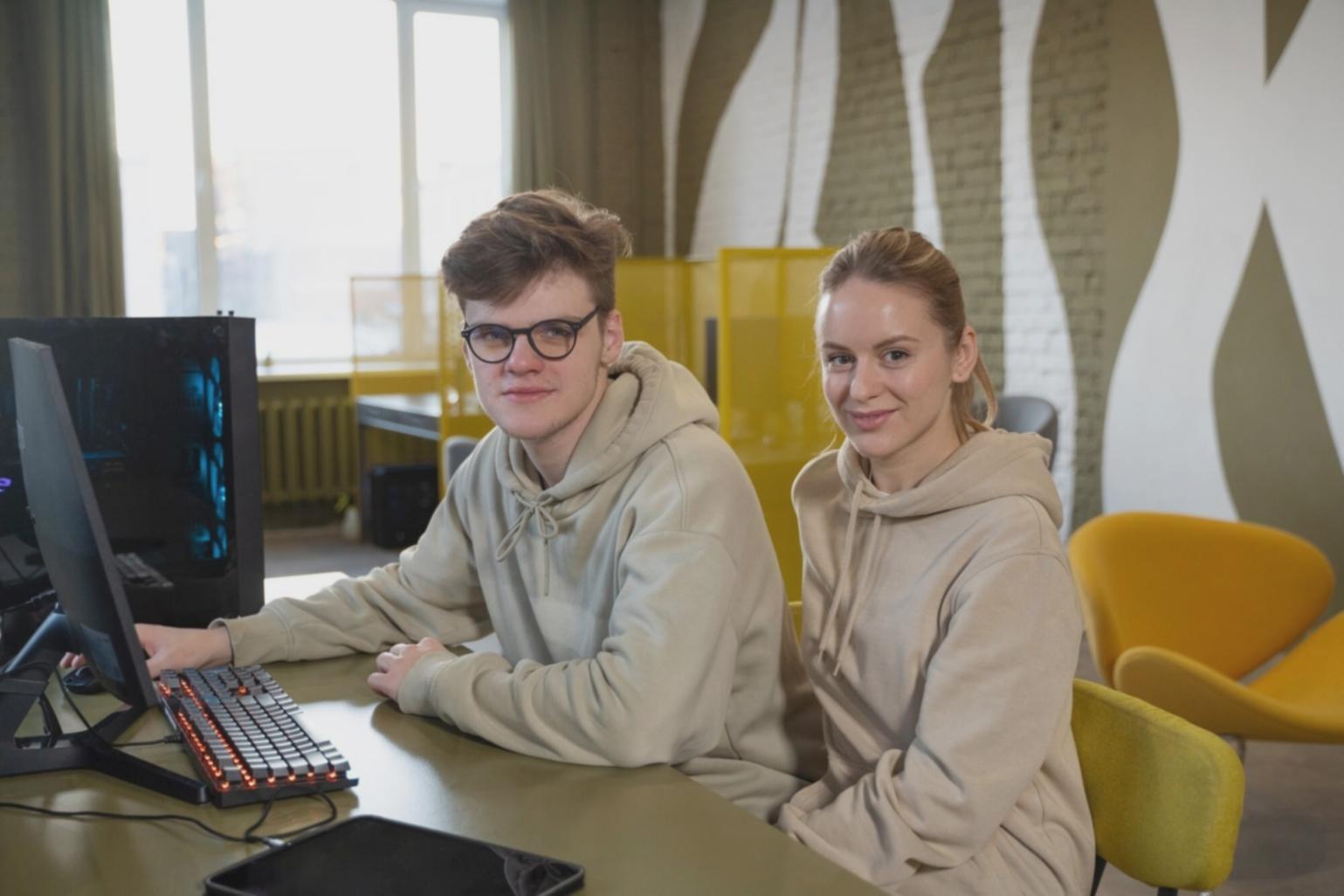
Each engagement follows a structured arc — from scoping your project's specific multiplayer challenges to shipping something testable with other players.
Before a cohort starts, each participant maps out their game's genre, target player count, and the specific networking problems they're facing. This shapes which topics the group prioritizes.
Sessions run 90 minutes. The first half covers a technical topic — rollback implementation, server authority patterns, or session persistence. The second half is open work review from participants.
Participants implement concepts in their own codebases and share results in the group channel. Seeing how the same idea behaves in different engines and genres is where most learning happens.
Cohorts close with a group playtest of each participant's multiplayer prototype. Feedback is structured around specific metrics — connection stability, session start rate, and player retention across the first three sessions.

Cohorts open quarterly. Participants range from solo indie developers to small studio teams working on their first multiplayer title. Prior single-player shipping experience is the only prerequisite — no specific engine required.